
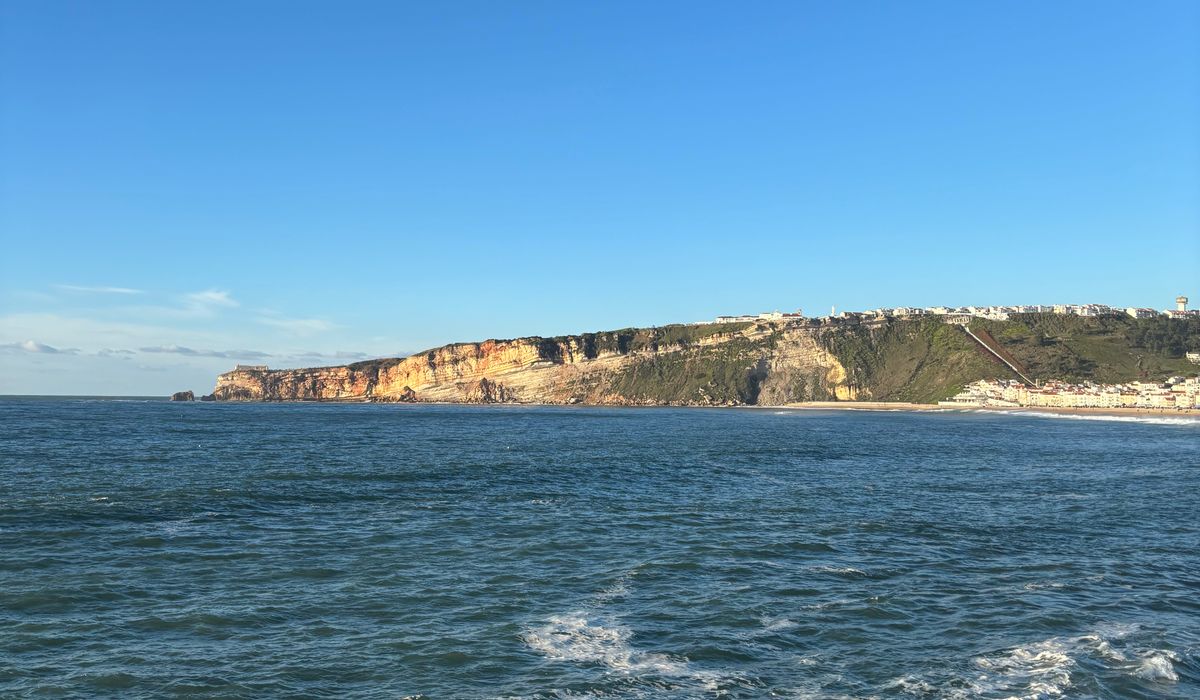
Discovering the History of Scarborough Castle
Scarborough Castle doesn't creep up on you. From almost anywhere in town — the harbour, the Spa, the sweep of North Bay — you can see it: a blunt stub of grey masonry planted on a grassy headland that plunges a hundred metres to the sea on three sides. It is one of the most dramatic castle sites in England, and the climb is part of the pleasure. A little planning turns a quick photo stop into a proper half-day out, especially if you have children, dogs or anyone unsteady on their feet in the group.
Getting up there: routes, steps and timing
There are two main approaches, and the one you choose depends on how much walking you want. The direct route climbs steeply from Castle Road near the town centre, past the churchyard and up through the gatehouse — quick, but a real puff if you are carrying a picnic or a toddler. The gentler option follows the coast path around the headland from North Bay, giving you sea views the whole way and a proper sense of how the castle commands the two bays below.
- Allow time. Fifteen minutes for the steep route, thirty-five to forty-five for the coastal loop, plus pauses for photographs.
- Wear grippy shoes. The paths are uneven, with cobbles, steps and loose gravel in places. Trainers are fine; smooth-soled sandals are not.
- Check the season. The castle interior keeps shorter opening hours outside the main summer months, while the headland paths themselves are generally open all year.
- Take water and a windproof layer even on a warm day — the top of the headland has its own weather system.
Two thousand years on one hill
What makes this site special is how long people have been using it. Excavations have uncovered a Bronze Age settlement on the headland, with roundhouses and a burial dating back roughly 2,800 years. Later came a Roman signal station in the fourth century, part of a chain of lookouts guarding the Yorkshire coast against raiders.
By the Anglo-Saxon period there was a chapel dedicated to St Mary on the headland, and a thriving town below it. That prosperity made Scarborough a target: in 1066, just before the Norman Conquest, the Norwegian king Harald Hardrada sailed in, burned the settlement and took what he could carry. Stand on the walls today and it is easy to see why generations kept coming back to this spot — it watches everything.
The medieval fortress and its sieges
The castle you see today is largely the work of Henry II, who granted the town its royal charter in the 1150s and began building the great keep. It was a serious statement of power: a square tower with walls several metres thick, visible for miles along the coast. King John later strengthened the defences, and by the thirteenth century the castle was a small fortified town in its own right, with its own well and bakehouse.
It was besieged repeatedly. In 1312, Piers Gaveston, favourite of Edward II, took refuge here and was eventually forced out. The Wars of the Roses brought more bloodshed, and the English Civil War finished the job. Parliamentarian artillery bombarded the castle in 1645, and after a second siege in 1648 the defences were deliberately ruined — or "slighted" — so they could never be held against the state again. The shattered keep has stood as a ruin ever since.
Barracks, bombardment and the museum
The headland's military story did not end with the Civil War. A barrack block was built in the 1740s to house a garrison, and the site remained in military hands into the twentieth century. On 16 December 1914, German battlecruisers shelled Scarborough from the sea, killing civilians and damaging the castle and town — the first major attack on British soil in the First World War. During the Second World War the headland was used for signals and air defence.
The small museum inside the site tells these stories well, with finds from the Roman and medieval periods alongside wartime photographs. It is compact enough for children to enjoy without losing interest.
Wildlife and walking the headland
The cliffs below the castle are alive in spring and summer. Fulmars nest on the ledges, kittiwakes and guillemots crowd the rock faces, and peregrine falcons hunt along the headland. Look out for grey seals bobbing in the bay, and if you are very lucky, dolphins offshore. The grassy slopes above are rich in wildflowers, and in summer they hum with bees.
On your way up or down, detour to the churchyard of St Mary's, tucked beneath the castle walls. Anne Brontë is buried there, and the grave is a quiet, moving stop on an otherwise boisterous day out.
Practical care and comfort
The headland is beautiful and largely unguarded. There are steep, unfenced drops close to the paths, and the wind can be fierce even when the town below is calm. Keep children within arm's reach near the edges, and keep dogs on a lead around the cliff tops and livestock. Sea fret can roll in fast and cut visibility to a few metres.
- Facilities are concentrated near the entrance, so use them before you head for the far side of the headland.
- Combine the visit with the South Bay harbour, the North Bay beach or a walk along the Cleveland Way for a full day.
- Time it well. Late afternoon light on the keep is superb, but check closing times before you set off uphill.
Give the castle two hours, wear decent shoes, respect the edges, and you will come away with a proper sense of why this windblown headland has been worth fighting over for two thousand years.
tag: History

Emily Hartley Author
From crab sandwiches to smoked haddock, these regional dishes celebrate the fishing heritage of coastal towns and villages.
YOU MAY ALSO LIKE
Local Seafood Specialities to Try on the Coast
Jun 30
10Sea fret, wind and sudden showers can shape a visit, so pack layers and check forecasts before setting out.
read more
Understanding Coastal Weather for Day Trips
Jun 24
10Enjoy sandy beaches, harbour cruises, amusement arcades and fish and chips on a classic seaside outing for all ages.
read moreBeaches
-

ERRIC CATONA
Dramatic chalk cliffs, lighthouses and seabird colonies reward walkers on this circular route around the headland in good weather.
May 19, 2016 at 5.12 pm
Reply
ERRIC CATONA
This sheltered bay offers rock pools, a sandy beach, winding lanes and a peaceful atmosphere away from busy resorts.
May 19, 2016 at 5.12 pm
Reply -
ERRIC CATONA
Discover family-friendly sands, quiet coves and useful facilities for a relaxed seaside day on the Yorkshire coast, with local tips.
May 19, 2016 at 5.12 pm
Reply
Towns & Villages
Your email address will not be published.