
Understanding Coastal Weather for Day Trips
Why the Yorkshire Coast Makes Its Own Weather
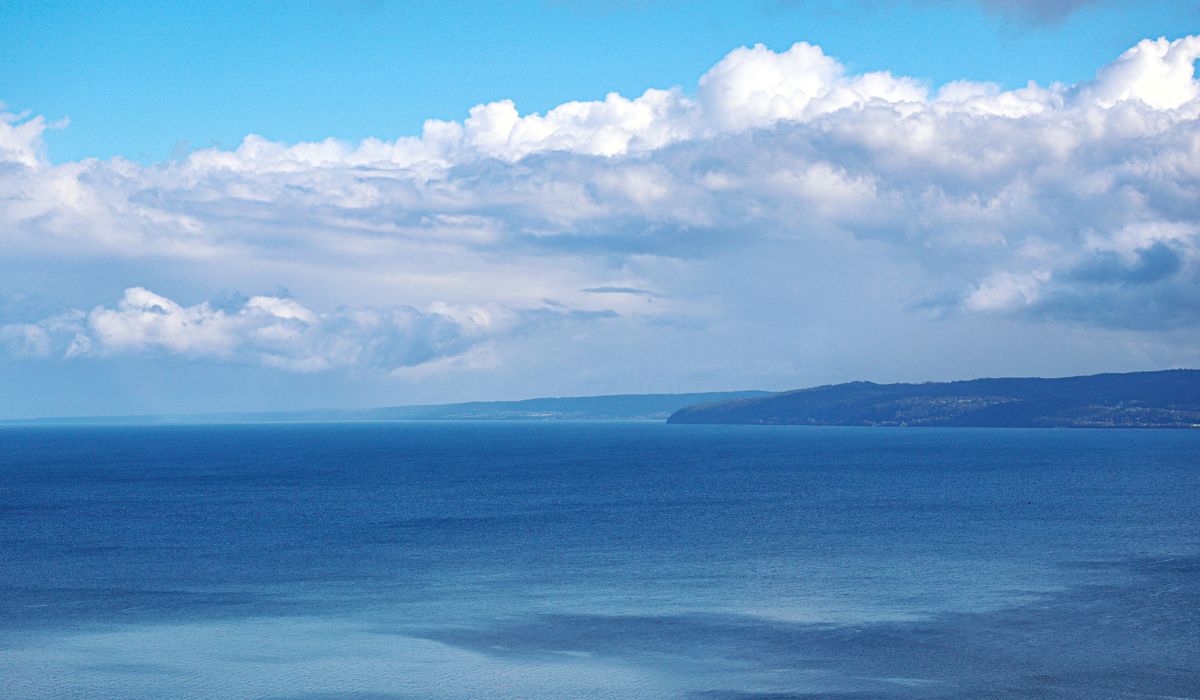
Yorkshire's shoreline runs roughly north to south, from Spurn Point up past Bridlington, Filey, Scarborough and Whitby to Saltburn. Almost everywhere, the sea lies to the east, which means the character of your day is decided largely by which way the wind is blowing. Air arriving from the west has crossed the Pennines and the moors, losing much of its moisture on the way, and often reaches the coast bright and mild. Air arriving from the east has crossed hundreds of miles of the North Sea, and that water is cold all year: rarely above 14 to 16°C even in late summer, and closer to 6 or 7°C in January.
That cold sea is the engine behind most coastal surprises. It cools the air above it, holds moisture, and creates the local quirks that catch visitors out. Knowing the basics means you can plan around them rather than being defeated by them.
Sea Fret: The Grey Visitor
Sea fret, also called haar, is the most misunderstood feature of a Yorkshire seaside trip. It usually arrives between April and July, when warm air over the land meets the chilly sea. The air cools, its moisture condenses, and a bank of low cloud rolls ashore on an onshore breeze. It can be thick enough to soak your coat without a single drop of rain falling.
The frustrating part is how localised it is. You might leave a baking car park in Pickering at 22°C, drive twenty-five minutes to Whitby, and step out into 12°C and a grey wall. Sea fret often hugs the coast while a mile or two inland is clear and sunny, and it tends to burn off as the day warms or as the wind shifts into the west.
- If the forecast mentions a light easterly or south-easterly in late spring, expect fret somewhere along the coast.
- Head inland or a few miles up a valley if you want sunshine; head to the coast if you want dramatic, misty photographs and quiet beaches.
- Fret usually lifts by mid-afternoon, so a late walk can be far better than an early one.
Wind: The Constant Companion
There is very little to break the wind between the Yorkshire coast and Denmark, so an easterly can feel relentless. Cliff-top walks at Flamborough Head, Bempton and along the Cleveland Way are glorious on a calm day and genuinely hard work in a stiff breeze. Wind chill is the real issue: a 15°C afternoon with a 30 mph easterly can feel closer to 8°C, especially once you stop moving.
Use the wind rather than fighting it. Plan a linear walk so the breeze is at your back on the return leg, or pick a sheltered route such as the wooded edges of a valley or a promenade with a sea wall. Westerly and south-westerly days often bring the clearest, warmest conditions to the coast, with the sea looking its best.
Showers, Tides and Sudden Changes
Coastal showers can appear with little warning, drifting in off the sea as scattered cells rather than a solid band of rain. A morning that looks set fair can turn wet within twenty minutes, and then clear again just as quickly. Check the rainfall radar rather than relying on a single icon, and watch the horizon: a dark, sharply defined cloud line over the water usually means rain is heading your way within the hour.
Tides matter just as much as weather. Beaches such as Filey Brigg, the sands below Bempton and the spit at Spurn change shape dramatically between high and low water, and some routes are cut off long before the sea reaches your feet. Spring tides, around the full and new moon, push water much further up the beach than neap tides. Carry a printed tide table, note the time of high water, and always leave yourself a generous margin on a rising tide.
What to Pack and How to Plan
Layers are the single most useful thing you can bring. A warm base layer, a fleece and a waterproof shell will handle almost anything a Yorkshire coastal day can throw at you, even in July.
- Footwear: grippy shoes for wet clifftop paths and rock pools; sandals are fine for promenades but hopeless on slippy chalk or seaweed.
- Extras: a hat and gloves for breezy spring days, sunglasses and sun cream for the same afternoon, and spare socks in the car.
- Timing: check the forecast the night before and again on the morning, and be willing to swap your plan between coast and moor.
- Safety: tell someone your route, keep away from the base of crumbling cliffs, and never park below a cliff or on a beach that the tide can reach.
Making the Most of a Changeable Day
A grey morning is not a lost morning. Sea fret brings atmospheric walks and empty sands, and it usually clears by early afternoon. If the rain sets in properly, Yorkshire has plenty of indoor fallbacks: harbour-side cafés, small museums, abbey ruins and chip shops where you can wait out a shower with a pot of tea. Build a little slack into your day, keep one alternative plan in mind, and the weather becomes part of the experience rather than an obstacle. Watch the sky, read the tide, dress for three seasons, and you will get far more out of the coast than any forecast alone can promise.
tag: Practical Tips

Oliver Metcalfe Author
Enjoy sandy beaches, harbour cruises, amusement arcades and fish and chips on a classic seaside outing for all ages.
YOU MAY ALSO LIKE
A Family Day Out in Bridlington
Jun 22
10Dramatic chalk cliffs, lighthouses and seabird colonies reward walkers on this circular route around the headland in good weather.
read more
Exploring Flamborough Head's Coastal Paths
Jun 19
10This sheltered bay offers rock pools, a sandy beach, winding lanes and a peaceful atmosphere away from busy resorts.
read moreBeaches
-

ERRIC CATONA
Discover family-friendly sands, quiet coves and useful facilities for a relaxed seaside day on the Yorkshire coast, with local tips.
May 19, 2016 at 5.12 pm
Reply
ERRIC CATONA
Step into centuries of monastic life, maritime trade and dramatic clifftop views at one of the coast's most striking landmarks.
May 19, 2016 at 5.12 pm
Reply -
ERRIC CATONA
These shorter sections offer clifftop scenery, wildlife spotting and welcoming pubs for walkers with children and pushchairs in mind.
May 19, 2016 at 5.12 pm
Reply
Towns & Villages
Your email address will not be published.