
Exploring Whitby Abbey and Its Coastal History
Why Whitby Abbey Rewards the Climb
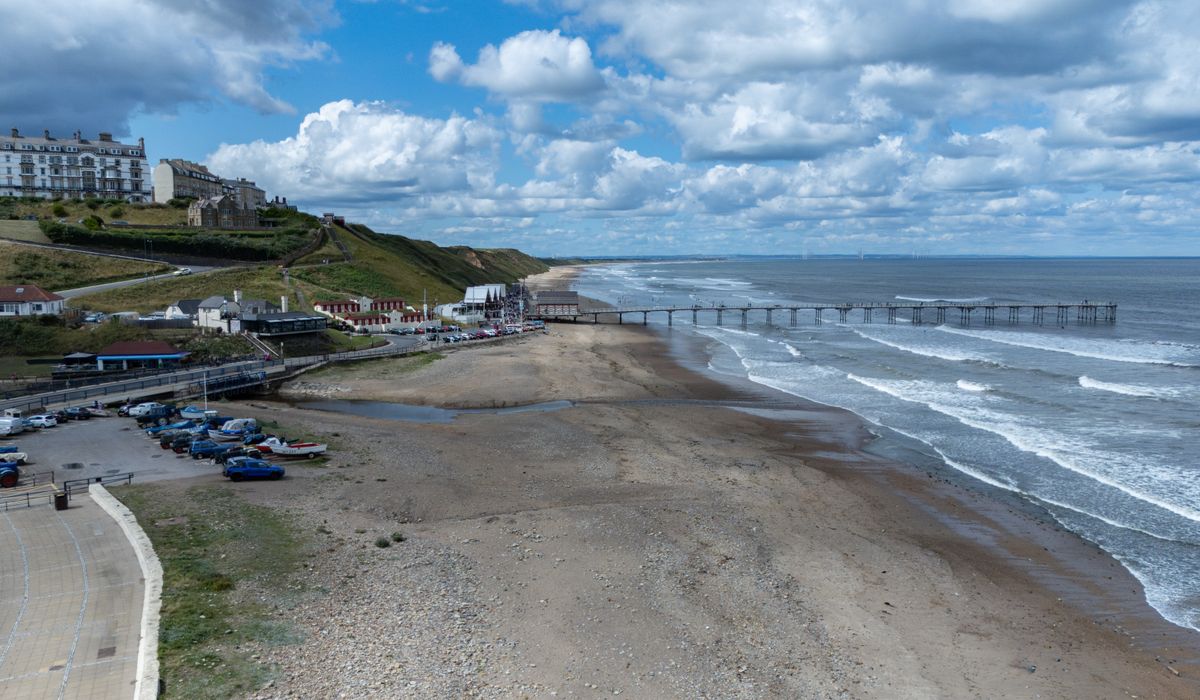
The silhouette of Whitby Abbey against a North Sea sky is one of Yorkshire's most enduring images. Perched on East Cliff, the ruined Gothic arches rise above the town's red roofs, the harbour and the sweep of sand at Tate Hill. You can see it from almost everywhere in Whitby, but the real reward comes when you stand among the stones. The approach sets the tone: either tackle the famous 199 steps from Church Street, pausing to catch your breath and the view, or drive up to the clifftop car park and walk the short, level path. Either way, the panorama across the Esk valley and out to sea is worth every step. On a clear day you can trace the coastline north towards Sandsend and south towards Ravenscar. Bring a windproof layer, even in summer, as the cliff top catches the breeze.
A Thousand Years of Monastic Life
The site's history stretches back to 657 AD, when a Saxon monastery was founded on the headland. It became one of the most important religious centres in Anglo-Saxon Northumbria. In 664, the Synod of Whitby was held here, settling the date of Easter and aligning the English church with Roman traditions. The monastery was a double house, home to monks and nuns, and its most famous abbess was St Hilda, a figure of learning and diplomacy. Viking raids in the ninth century destroyed that first settlement, and the site lay quiet for two centuries. It was refounded as a Benedictine priory after the Norman Conquest, and the imposing ruins you see today largely date from the thirteenth century. The abbey was dissolved in 1539, its roof stripped for lead and its stones reused in local buildings. What remains is a shell, but a magnificent one, with soaring arches that frame the sky like a natural artwork.
Walking the Coastal Path and Clifftop Trail
Whitby is a superb base for coastal walking. From the abbey, the Cleveland Way heads south along the cliff tops, offering dramatic views and a genuine sense of wildness. A gentle there-and-back stroll to Saltwick Bay is about two miles each way, taking in a lighthouse, a sheltered cove and plenty of seabirds. The path is well trodden but can be muddy after rain, so sturdy footwear is essential. For a longer day out, continue south to Robin Hood's Bay, a fishing village of winding alleys and steep steps, roughly seven miles along the coast. North from Whitby, the path leads to Sandsend and on to Runswick Bay, another gem. If you prefer an easier amble, the circular walk around the abbey headland and down through the town takes under an hour. Always check tide times before descending to any beach, as some coves are cut off at high water. Dogs are welcome on most paths but should be kept under close control around cliff edges and nesting birds.
Wildlife Watching Along the Yorkshire Coast
The cliffs and beaches around Whitby are a wildlife watcher's delight. Between April and July, the cliff faces near the abbey and at Saltwick Nab host breeding colonies of kittiwakes, fulmars and guillemots. Their calls fill the air, and you can watch them wheeling and diving from the clifftop path. Puffins are less common here than further south, but a lucky few are spotted each spring. Grey seals are regular visitors, often seen hauled out on rocks at Ravenscar or bobbing offshore near Sandsend. Keep an eye out for dolphins and minke whales in late summer, when sightings peak. On the beach at Saltwick Bay, look for fossil ammonites and belemnites in the shale, but remember to leave the cliffs alone and only collect from loose stones. Rock pools at low tide are teeming with crabs, anemones and small fish, perfect for children with a net and a bucket. Dawn and dusk are the best times for observing wildlife, and a pair of binoculars transforms the experience.
Making a Seaside Break of It
Whitby works well for a short break or a longer holiday. The town itself has a wide range of places to stay, from cosy guesthouses on the West Cliff to self-catering cottages tucked away in the old town. For a quieter base, consider Sandsend, a pretty village with a long sandy beach just a few minutes' drive north, or Robin Hood's Bay, where you can fall asleep to the sound of the sea. Food is a highlight: no visit is complete without fish and chips from a harbour-side shop, and Whitby kippers are a local speciality, smoked in the traditional way. The town gets extremely busy during school holidays and at weekends in summer, so book accommodation and restaurant tables well in advance. Parking is limited, especially near the abbey, so use the park-and-ride or arrive early. If you are travelling by train, the station is a short walk from the harbour, and the Esk Valley line offers a scenic route inland.
Beyond the Abbey: Harbour and Heritage
While the abbey is the headline act, Whitby has plenty more to fill your days. The Church of St Mary, next to the abbey, is a survivor with box pews and a shipwright's gallery, and its graveyard inspired Bram Stoker's Dracula. Down in the town, a local museum holds fossils, jet jewellery and maritime artefacts, while another explores the young Captain Cook's apprenticeship. The whalebone arch on West Cliff is a striking photo stop, and the harbour is a working port where you can watch fishing boats unload their catch. For a change of pace, take a boat trip or simply sit on the pier with an ice cream. Whitby rewards those who linger, so allow at least a full day to soak up its blend of history, sea air and Yorkshire hospitality.
tag: History

Emily Hartley Author
These shorter sections offer clifftop scenery, wildlife spotting and welcoming pubs for walkers with children and pushchairs in mind.
YOU MAY ALSO LIKE
Family-Friendly Walks Along the Cleveland Way
Sep 16
10From harbour-side takeaways to traditional sit-down restaurants, these coastal spots serve freshly cooked haddock and proper chips daily.
read more
Where to Find the Best Fish and Chips
Sep 10
10Make the most of narrow cobbled lanes, rock pools, independent shops and dramatic views over the North Sea.
read moreBeaches
-

ERRIC CATONA
Learn where to join responsible wildlife trips and how to observe marine mammals without causing disturbance to their habitat.
May 19, 2016 at 5.12 pm
Reply
ERRIC CATONA
Plan a stress-free trip with advice on parking, beach safety, toilets, snack stops and sheltered picnic spots nearby.
May 19, 2016 at 5.12 pm
Reply -
ERRIC CATONA
Tides can change quickly around headlands and bays, so check local predictions before walking or exploring rock pools.
May 19, 2016 at 5.12 pm
Reply
Towns & Villages
Your email address will not be published.