
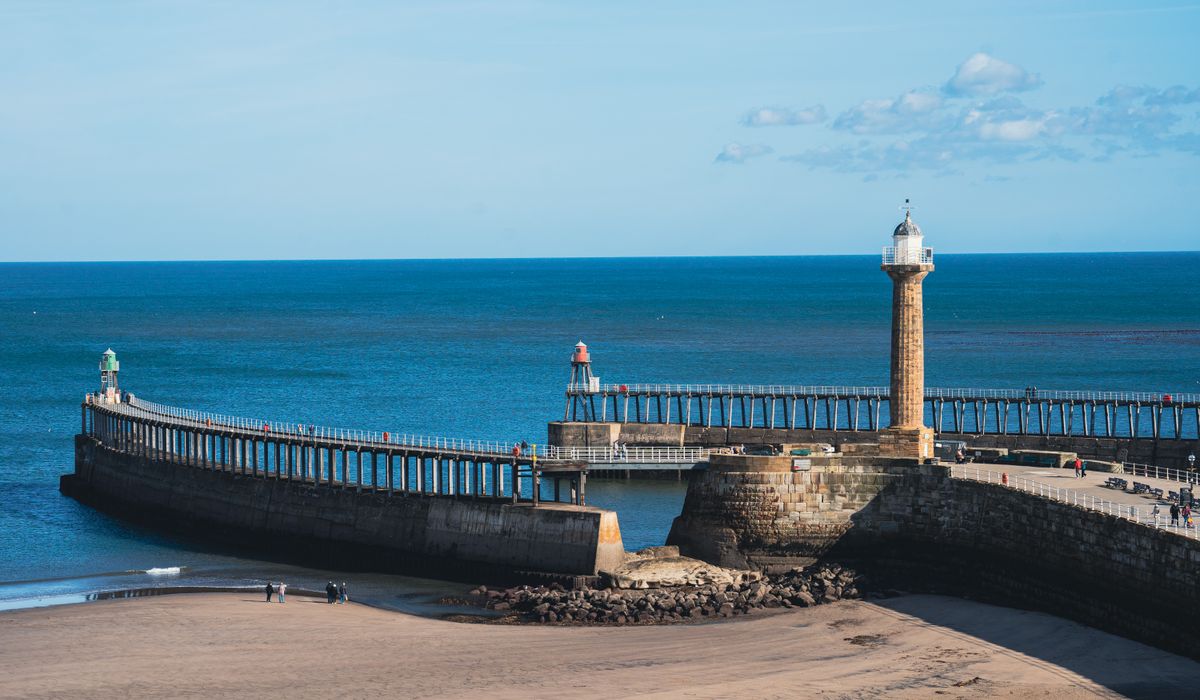
Spotting Seals and Seabirds on Coastal Boat Trips
Yorkshire's coast is one of the best places in England to watch marine wildlife from a boat. The cliffs between Flamborough Head and Bempton hold one of the largest seabird colonies in the country, while the shallow reefs and sandy bays further north shelter grey seals, harbour porpoise and, in late summer, the occasional minke whale. The trick is knowing where to join a trip, when to go, and how to behave once you are afloat.
Where to join a boat trip
Most trips run from the bigger harbours, and the choice of departure point shapes what you will see. A few reliable options:
- Bridlington – short inshore cruises heading south towards Flamborough Head. Typically two to three hours, with good views of nesting birds on the chalk cliffs and seals hauled out on the rocks below.
- Whitby – longer trips running north along the coast, popular in late summer and autumn when harbour porpoise and dolphins are most often recorded.
- Scarborough and Filey – shorter bay and harbour trips, useful if you have children or limited time. Filey Brigg is a good spot for seals at low tide.
- Runswick Bay and Staithes – quiet coves and RIB trips, often with smaller groups and a more intimate feel.
- Spurn Point – estuary and sandbank trips from the Humber side, best for seals, waders and a sense of wild, shifting landscape.
Book ahead in summer, especially at weekends, and accept that coastal weather cancels trips regularly. Always ring to confirm the day before.
Choosing a responsible operator
Most skippers on this coast are knowledgeable and careful, but it is worth asking a few questions before you book. A responsible operator will:
- Hold a recognised wildlife-safe accreditation or follow a published marine code of conduct.
- Limit passenger numbers so everyone has a view without crowding one side of the boat.
- Give a short briefing before departure covering distances, noise and what to do if an animal approaches.
- Keep a predictable distance, move slowly and never chase, herd or cut across an animal's path.
- Avoid landing on beaches used by seals for pupping or resting, and stay clear of rafting birds.
- Refuse to feed, bait or handle wildlife, and discourage drones and flash photography.
On the water: watching without disturbing
The usual guidance is to stay at least 100 metres from seals and 50 metres from cliff-nesting seabirds, and further still if the animals are already alert to you. Approach parallel rather than head-on, keep the engine idling, and never make sudden changes of speed or direction.
Limit any close encounter to around 15 to 20 minutes, then move on and let the animals settle. Watch for the signs of disturbance: seals lifting their heads and shuffling towards the water, birds flushing from ledges in waves, or alarm calls spreading along a cliff. If you see any of these, you are too close.
If a curious seal or porpoise chooses to approach the boat, cut the engine and let it come and go on its own terms. Resist the urge to ask the skipper to edge nearer – a good skipper will say no, and that is exactly the attitude you want.
Timing your trip
What you see depends heavily on the season:
- April to July – peak seabird breeding. Guillemots, razorbills, kittiwakes and puffins crowd the cliffs, with puffins most reliable in May and June.
- July to September – best odds for harbour porpoise and white-beaked dolphins, with occasional minke whales offshore.
- October to December – grey seal pupping season. This is a time to watch from cliff tops rather than from a boat, as mothers and pups are easily disturbed.
- Year-round – shags, cormorants, fulmars and gulls, plus seals on most haul-out sites.
Sea conditions matter as much as the calendar. Light winds, neap tides and a settled forecast give the flattest water and the clearest views. Early mornings are often calmest. Avoid the day or two after heavy rain, when run-off clouds the shallows.
What to take, and how to build a break around it
Pack binoculars (8x42 or 10x42 are ideal), a waterproof jacket and warm layers even in July, flat-soled shoes, sun cream, water and a camera with a strap. If you suffer from seasickness, take tablets an hour before departure and keep your eyes on the horizon.
A boat trip works beautifully as the centrepiece of a longer stay. Base yourself in Whitby, Robin Hood's Bay, Filey or Bridlington and pair the trip with a cliff-top walk along the Cleveland Way, a morning at the seabird centre above Bempton Cliffs, or a low-tide wander at Filey Brigg. Out of season the coast is quieter, the light is better and the wildlife is still there – which is precisely why so many of us keep coming back.
tag: Wildlife

James Wainwright Author
Plan a stress-free trip with advice on parking, beach safety, toilets, snack stops and sheltered picnic spots nearby.
YOU MAY ALSO LIKE
Practical Tips for Visiting Filey with Children
Aug 26
10Tides can change quickly around headlands and bays, so check local predictions before walking or exploring rock pools.
read more
Understanding Tide Times on the Yorkshire Coast
Aug 23
10Enjoy spa hotels, theatre evenings, cliff-top gardens and quiet seafood lunches on a relaxed romantic escape by the sea.
read moreBeaches
-

ERRIC CATONA
Cold-water dips can be invigorating, but choose sheltered locations, go with others and always respect local safety advice.
May 19, 2016 at 5.12 pm
Reply
ERRIC CATONA
Puffins, gannets and guillemots nest on these chalk cliffs, offering spectacular viewing from secure paths and viewpoints in season.
May 19, 2016 at 5.12 pm
Reply -
ERRIC CATONA
Taste smoked kippers, fresh crab sandwiches, artisan ice cream and locally caught seafood around the historic quayside with sea views.
May 19, 2016 at 5.12 pm
Reply
Towns & Villages
Your email address will not be published.