
The Best Beaches for Rock Pooling
Why Yorkshire is a rock pooler's paradise
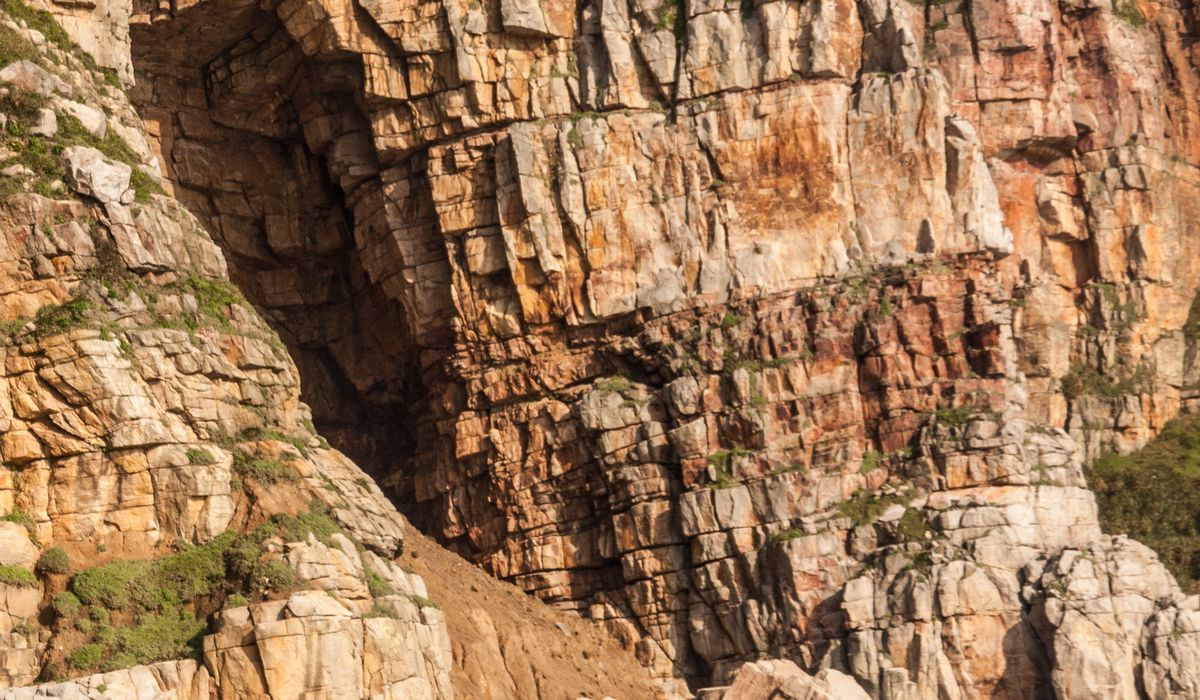
From the rocky tip of Filey Brigg to the chalk shelves below Flamborough and the wave-cut scars beneath Staithes, the Yorkshire coast offers some of the most rewarding and genuinely accessible rock pooling in Britain. Two things make it work. First, the geology — Jurassic shale around Robin Hood's Bay, limestone and sandstone further north, and gleaming white chalk at Flamborough — creates a huge variety of pool types. Second, the tidal range. On a decent spring tide the sea pulls back five or six metres, uncovering wide platforms of rock that are only visible for an hour or two a day.
Shallow pools warm quickly in summer sunshine, which means they act as nurseries for crabs, fish fry and anemones. Best of all, rock pooling is free, needs no booking, and works in almost any weather. You just need the right shore and the right hour.
Timing it right: tides, safety and kit
Everything depends on the tide table. Check it the day before you travel, then plan to arrive about an hour before low water and follow the ebbing tide out. Spring tides — the biggest, roughly twice a month around the full and new moon — expose the most rock; neap tides leave much of it under water, so save your trip for a spring.
A few hard rules keep the day fun:
- Never turn your back on the sea. On flat rocky platforms the tide can creep behind you. Note the time it turns and, at Filey Brigg in particular, be off the far end well before it does.
- Wear something with grip. Wellies or old trainers with tread are ideal; flip-flops on wet weed are an accident waiting to happen.
- Shuffle through bare sand to avoid weever fish, and keep an eye on incoming swell on exposed ledges.
- Check water quality after heavy rain, and avoid pooling right beside harbour outfalls or streams running off farmland.
Pack light but properly: a small clear tub or two, a soft net, a plastic magnifier, a towel, drinking water, sun cream, a windproof layer, and a phone in a dry bag. A tiny first-aid kit for scraped knees is never wasted.
Six shores worth the drive
- Filey Brigg. A natural rocky causeway stretching out from the town, with a short walk from the cliff-top car parks and a café at the cobble landing. Excellent pools along the sheltered side, and easy to retreat as the tide rises.
- Runswick Bay. Cliff-top parking, then a steep but short walk down to sand, boulders and flat scars. Brilliant for families, with plenty of shallow pools at low water and a stream for younger children to paddle in.
- Robin Hood's Bay. A steep slipway leads to wide, dark shale scars that appear only at low tide. Rich in life, but the climb back up is real — pack light.
- North Landing and Selwicks Bay, Flamborough. Chalk platforms, caves and geos. North Landing has a ramp and slipway, making it the easier of the two; Selwicks Bay involves steps and a longer descent.
- Boggle Hole and Hayburn Wyke. Quieter, steeper and wilder, with rocky shore and narrow coves. Best for older children who can manage steps and uneven ground.
- Sandsend and Staithes. Sandsend offers rock outcrops close to the stream at the north end of the beach. At Staithes, the scars south of the harbour are exposed on big tides and are full of interest.
What you might find
Expect shore crabs, edible crabs and velvet swimming crabs, plus hermit crabs in old winkles shells. Beadlet anemones look like dark red blobs out of water, opening into a crown of tentacles when submerged. Limpets, periwinkles, dog whelks, barnacles and mussels cover the rock, while blennies and gobies dart about in the deeper pools. Look for common starfish and brittle stars, sea squirts, and jewel-like sea slugs in late summer.
On the strandline, hunt for whelk egg cases, mermaid's purses, cuttlefish bone and the papery moults crabs leave behind. That moult is not a dead crab — turn it over and you'll see it's hollow.
The rock pooler's code
Look, don't lift. Leave animals in water, use wet hands if you must move something, and return every creature within fifteen minutes. Put stones back exactly as you found them, wet side down, and don't roll large boulders — they crush whatever lives beneath. Take only a couple of empty shells, never an occupied one, and leave anemones firmly attached to their rock.
Keep well back from seals hauled out on rocks, and give roosting birds a wide berth, especially in winter. Wash hands afterwards and before eating.
Making a day, or a short break, of it
Let the tide table set your schedule: pool on the ebb, then swim, picnic or explore the town as the water returns. Coastal cottages, B&Bs and campsites fill fast for school holidays, so book early — but the autumn half-term and quiet spring weekends often give the best combination of low daytime tides, empty beaches and calm weather. Take layers, a windbreak and a sense of patience. The best finds usually come after twenty minutes of simply standing still and watching a single pool.
tag: Beaches

James Wainwright Author
This former fishing village attracted painters and writers, and its narrow streets still reveal a rich creative past.
YOU MAY ALSO LIKE
A Guide to Staithes Art and Heritage
Jul 19
10From gentle railway paths to challenging moorland climbs, these routes show the coast from a different perspective entirely.
read more
Cycling Routes on the Yorkshire Coast
Jul 16
10Pack a flask and blanket for these clifftop, harbour and beach locations that suit laid-back family afternoons outdoors.
read moreBeaches
-

ERRIC CATONA
Explore ancient ruins, medieval defences and wartime stories set high above the town on a dramatic headland with care.
May 19, 2016 at 5.12 pm
Reply
ERRIC CATONA
From crab sandwiches to smoked haddock, these regional dishes celebrate the fishing heritage of coastal towns and villages.
May 19, 2016 at 5.12 pm
Reply -
ERRIC CATONA
Sea fret, wind and sudden showers can shape a visit, so pack layers and check forecasts before setting out.
May 19, 2016 at 5.12 pm
Reply
Towns & Villages
Your email address will not be published.